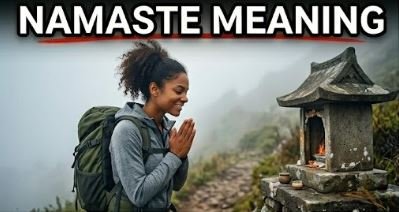
Have you ever heard someone say “Namaste” at the end of a yoga class or while greeting others and wondered what it truly means? While it’s widely used across the world today, especially in wellness and spiritual communities, the word carries a much deeper meaning rooted in ancient tradition. #What Does Namaste Mean
In this friendly guide, we’ll explore the real meaning of Namaste, its origin, and the spiritual significance behind this powerful word.
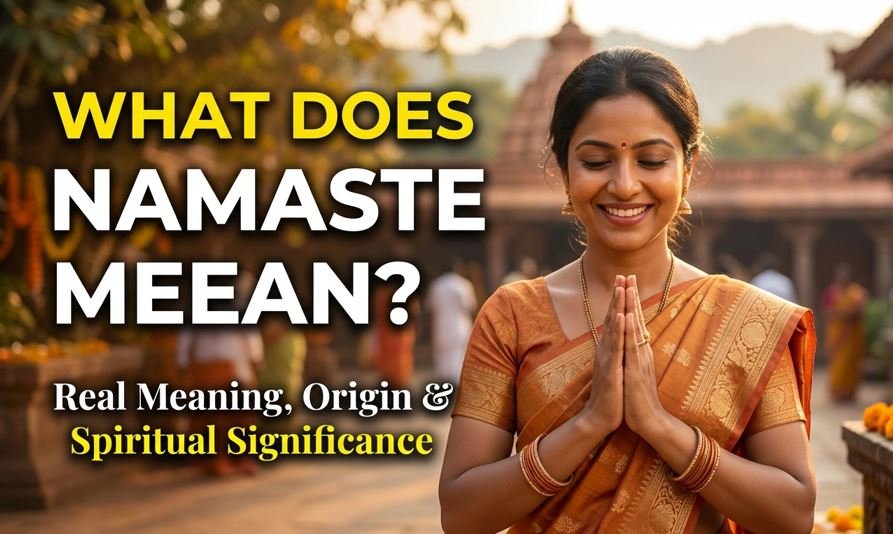
What Does “Namaste” Mean?
The word Namaste comes from the ancient language Sanskrit and is commonly translated as:
“I bow to you”or more spiritually,
“The divine in me honors the divine in you.”
It’s more than just a greeting it’s a gesture of respect, humility, and connection.
Breaking Down the Word “Namaste”
To better understand its meaning, let’s break it into two parts:
- “Namah” = bow, respect, or reverence
- “Te” = to you
So, when combined, Namaste literally means “I bow to you.”
The Origin of Namaste
Namaste has its roots in ancient India and is deeply connected to Hindu culture, as well as Buddhist and Jain traditions.
For thousands of years, people in South Asia including countries like India and Nepal have used Namaste as a respectful greeting.
How It’s Traditionally Used:
- When meeting someone
- When saying goodbye
- During prayers or spiritual practices
It’s often accompanied by a slight bow and hands pressed together near the chest, known as the Anjali Mudra gesture.
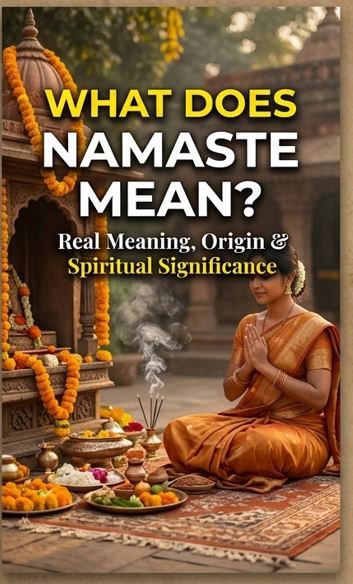
The Spiritual Significance of Namaste
Beyond its literal translation, Namaste carries a beautiful spiritual meaning.
1. Recognition of the Divine
Namaste reflects the belief that there is a divine spark or soul in every individual.
2. Equality and Respect
It removes hierarchy no matter who you are, everyone deserves respect.
3. Mindful Connection
Saying Namaste encourages presence, awareness, and genuine connection with others.
Why Is Namaste Popular Worldwide?
In recent years, Namaste has gained global recognition, especially through yoga and meditation practices.
Common Reasons for Its Popularity:
- Promotes peace and positivity
- Encourages respect and kindness
- Fits well with mindfulness and wellness culture
You’ll often hear it at the end of yoga sessions as a way of expressing gratitude and unity.
Is It Okay to Use Namaste?
Yes, but it’s important to use it respectfully and understand its cultural roots.
Appropriate Use:
- As a respectful greeting
- In yoga or meditation settings
- When acknowledging others with sincerity
Avoid:
- Using it casually without understanding its meaning
- Treating it as just a trendy phrase
Respecting its origin makes your use more meaningful and authentic.
Namaste vs Hello: What’s the Difference?
While both are greetings, they carry different meanings.
| Namaste | Hello |
|---|---|
| Spiritual and respectful | Casual greeting |
| Shows humility and connection | Simple acknowledgment |
| Rooted in tradition | Widely generic |
Namaste goes beyond words, it reflects intention and awareness.
How to Say Namaste Properly
Here’s how you can say it correctly:
- Bring your palms together in front of your chest
- Slightly bow your head
- Say “Namaste” with a calm and respectful tone
It’s simple, yet powerful.
Conclusion
Namaste is much more than just a word.it’s a meaningful expression of respect, humility, and spiritual connection. Rooted in ancient traditions, it reminds us to recognize the goodness and divinity in others.
Whether you use it in daily life or during spiritual practices, understanding its true meaning helps you use it with sincerity and respect.
So next time you say Namaste, remember you’re not just greeting someone, you’re honoring them.
Frequently Asked Questions (FAQs)
1. What does Namaste literally mean?
Namaste literally means “I bow to you” in Sanskrit.
2. What is the spiritual meaning of Namaste?
It means “The divine in me honors the divine in you,” reflecting respect and unity.
3. Is Namaste only used in yoga?
No, it is traditionally used as a greeting in many South Asian cultures, including India and Nepal.
4. Can anyone say Namaste?
Yes, anyone can use it, as long as it’s done respectfully and with understanding.
5. How do you respond to Namaste?
You can simply say “Namaste” back or return the gesture with a slight bow.
Leave a Reply