Introduction
You’ve likely heard the word “Namaste” in yoga classes, spiritual settings, or while greeting someone from South Asia. It’s often accompanied by a slight bow and hands pressed together. But Namaste is more than just a greeting it carries a deep and beautiful meaning rooted in culture and tradition.
In this article, we’ll explore what Namaste really means, where it comes from, and how it’s used in everyday life.
What Does Namaste Mean?
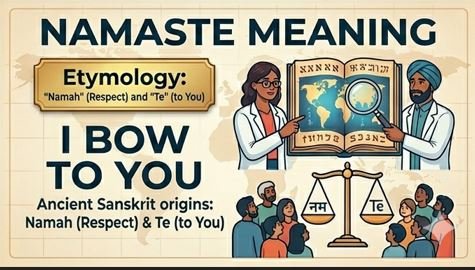
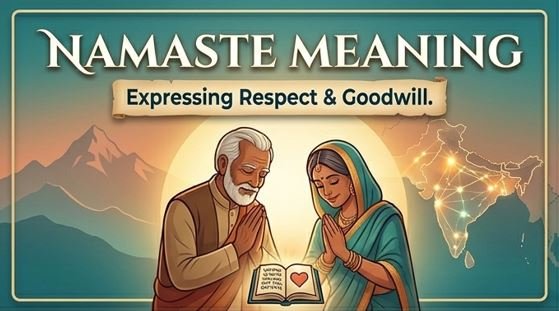
At its simplest, Namaste means “I bow to you.”
The word comes from Sanskrit:
- “Namah” means bow or respect
- “Te” means to you
So when you say Namaste, you are expressing respect, humility, and goodwill toward another person.
The Deeper Meaning of Namaste
Beyond its literal translation, Namaste has a spiritual meaning that many people find inspiring.
It is often interpreted as:
“The divine in me bows to the divine in you.”
This reflects the belief that:
- Every person has a spark of the divine within them
- We are all connected at a deeper level
- Respecting others is a form of honoring that shared connection
This deeper meaning is why Namaste feels so warm and meaningful compared to a simple “hello.”
The Origin of Namaste
Roots in Ancient India
Namaste comes from ancient Indian traditions and is deeply connected to Hindu culture and philosophy. It has been used for thousands of years as a respectful greeting.
Use in South Asia
Today, Namaste is commonly used in countries like:
- India
- Nepal
- Parts of Bhutan
It is a polite and respectful way to greet people, say goodbye, or show gratitude.
How Is Namaste Used Today?
1. As a Greeting
In everyday life, Namaste is used much like “hello” or “goodbye,” but with more respect. It’s often accompanied by a gesture called Anjali Mudra:
- Hands pressed together
- Slight bow of the head
2. In Yoga and Wellness
In yoga classes around the world, instructors often say Namaste at the end of a session. Here, it symbolizes:
- Gratitude
- Peace
- A shared sense of calm and connection
3. In Formal and Respectful Situations
Namaste is also used when meeting elders or in formal settings, as it conveys politeness and humility.
Why Is Namaste So Special?
A Gesture of Respect
Unlike casual greetings, Namaste carries a sense of sincerity and respect. It shows that you value the person you are addressing.
A Universal Message
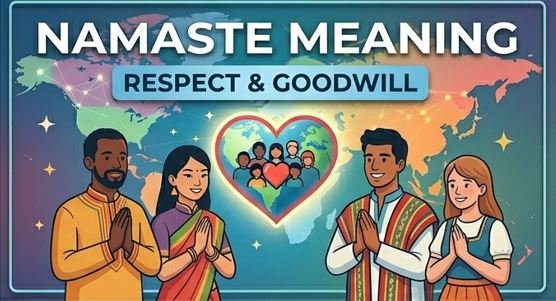
Even though it comes from a specific culture, the message behind Namaste respect and connection is universal.
A Mindful Practice
Saying Namaste encourages mindfulness. It reminds us to pause, acknowledge others, and be present in the moment.
When Should You Use Namaste?
You can use Namaste in many situations, such as:
- Greeting someone politely
- Saying goodbye respectfully
- Showing gratitude or appreciation
- Ending a yoga or meditation session
However, it’s important to use it respectfully and with understanding, especially outside its original cultural context.
Common Misunderstandings About Namaste
It’s Not Just a Trend
While Namaste has become popular worldwide, it’s not just a trendy word. It has deep cultural and spiritual roots.
It’s More Than “Hello”
Although it can be used as a greeting, its meaning goes beyond a simple hello it expresses respect and connection.
Conclusion
Namaste is a small word with a powerful message. From its origins in ancient Sanskrit to its use in modern life, it continues to represent respect, humility, and a deep sense of human connection.
Whether you use it in a cultural, spiritual, or everyday context, understanding its true meaning makes it even more meaningful. The next time you say Namaste, you’ll know that you’re sharing a gesture of kindness and respect that has been passed down for generations.
FAQs About Namaste Meaning
1. What is the literal meaning of Namaste?
The literal meaning of Namaste is “I bow to you.”
2. Is Namaste only used in India?
No, it is also commonly used in Nepal and other parts of South Asia.
3. Can anyone use Namaste?
Yes, but it should be used respectfully and with an understanding of its cultural significance.
4. Why do people say Namaste in yoga?
In yoga, Namaste expresses gratitude, peace, and mutual respect between the instructor and students.
5. Is Namaste a religious word?
It has roots in spiritual traditions, but it is also widely used as a respectful greeting in everyday life.
Leave a Reply