
Introduction
Have you ever heard someone say, “She is very wise” or “That was a wise decision”? The word “wise” is commonly used in English, but many people don’t fully understand its deeper meaning.
In this article, we’ll explain the wise definition in simple and friendly language. You’ll also learn how to use it in sentences, along with examples, synonyms, and more.
Table of Contents
What Does “Wise” Mean?
Simple Definition
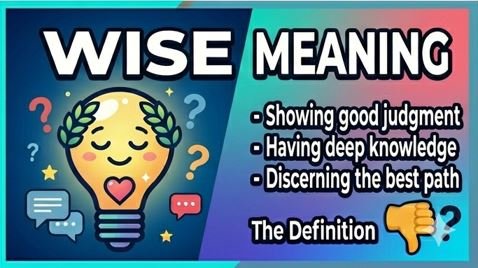
Wise means having good judgment, knowledge, and the ability to make smart decisions.

Wise Meaning in Simple Words
Let’s break it down so it’s easy to understand:
a. A wise person thinks carefully
b. They make good decisions
c. They learn from experience and knowledge
In short, being wise means using your brain in a smart and thoughtful way.
Examples of “Wise” in Sentences
Here are some simple examples:
a. It was a wise decision to save money early.
b. My grandfather is a very wise man.
c. She gave me wise advice about my career.
d. Choosing the right friends is a wise choice.
d. He remained calm and made a wise move.
Different Uses of “Wise”
1. For People
To describe someone intelligent and thoughtful:
“She is wise beyond her age.”
2. For Decisions
To describe smart choices:
“That was a wise decision.”
3. For Advice
To describe helpful and thoughtful suggestions:
“He gave wise advice.”
Synonyms of “Wise”
Here are some similar words:
a. Smart
b. Intelligent
c. Sensible
d. Thoughtful
e. Clever
f. Knowledgeable
Example:
“He is a sensible person.” (similar to wise)
Opposite of “Wise”
The opposite of “wise” includes:
a. Foolish
b. Silly
c. Unwise
d. Careless
Example:
“It was a foolish mistake.”
Wise vs Smart – What’s the Difference?
Many people confuse “wise” and “smart”:
Smart = quick thinking, intelligence
Wise = good judgment based on experience
Simple tip:
Smart = brain
Wise = brain + experience
How to Become a Wise Person
Being wise is not just about intelligence. Here are a few simple tips:
Learn from your mistakes
Listen to others
Think before making decisions
Stay calm in difficult situations
Why Learning Words Like “Wise” Is Important
Understanding words like “wise” helps you:
a. Improve your English vocabulary
b. Speak more clearly and confidently
c. Express ideas better
d.Write better content
Conclusion
Now you clearly understand the wise definition. It means having “good judgment, knowledge, and the ability to make smart decisions.“
Using this word correctly can make your English sound more natural and powerful. Try using “wise” in your daily conversations to improve your vocabulary.
FAQs About “Wise Definition”
1. What is the meaning of wise in simple words?
Wise means making smart and thoughtful decisions based on knowledge and experience.
2. Can a young person be wise?
Yes, a young person can be wise if they think carefully and make good decisions.
3. Is wise the same as smart?
Not exactly. Smart means intelligent, while wise means using experience and good judgment.
4. What is an example of a wise decision?
Saving money for the future is a wise decision.
5. What is the opposite of wise?
The opposite of wise is foolish or unwise.
Leave a Reply