Hallelujah Meaning
Introduction
You’ve probably heard the word “hallelujah” in songs, religious settings, or even everyday conversations. It’s a word that carries emotion, joy, and a sense of celebration. But what does hallelujah actually mean, and where does it come from?
In this article, we’ll break down the meaning of hallelujah in a simple, friendly way exploring its origins, usage, and why it continues to be such a powerful expression across cultures.
What Does Hallelujah Mean?
At its core, hallelujah means “praise the Lord.”
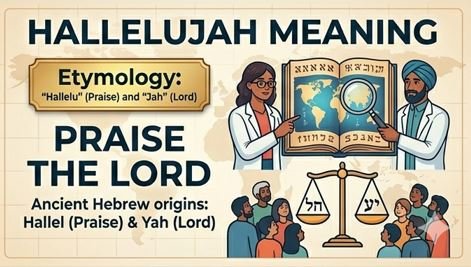
The word comes from the Hebrew phrase “hallelu Yah.”
- “Hallelu” means praise
- “Yah” is a shortened form of Yahweh, a name for God
So when someone says hallelujah, they are expressing joy, gratitude, or praise toward God.
The Origin of Hallelujah
A Biblical Beginning
The word hallelujah has deep roots in religious texts, especially the Bible. It appears frequently in the Book of Psalms in the Old Testament. These psalms are songs and prayers, many of which begin or end with hallelujah as a way to glorify God.
Spread Across Languages
Over time, hallelujah was adopted into different languages with little change in pronunciation. Whether it’s English, Latin, or other languages, the word has remained remarkably consistent showing just how universal its meaning is.
How Is Hallelujah Used Today?
1. In Religious Contexts
In churches, temples, and other places of worship, hallelujah is often used during prayers, hymns, and celebrations. It expresses:
- Gratitude to God
- Joy and spiritual fulfillment
- Celebration of faith
2. In Music and Pop Culture
Even outside religious settings, hallelujah is widely used in music and entertainment. One of the most famous examples is the song “Hallelujah” by Leonard Cohen, which brought the word into mainstream popularity.
In these contexts, hallelujah can symbolize:
- Emotional release
- Relief after hardship
- A moment of beauty or realization
3. In Everyday Language
People sometimes say hallelujah casually to express happiness or relief, like:
- “Hallelujah, it finally stopped raining!”
- “Hallelujah, I passed the exam!”
In these cases, the word isn’t necessarily religious it simply conveys strong positive emotion.
Why Is Hallelujah So Powerful?
A Universal Expression of Joy
One reason hallelujah is so impactful is that it captures a feeling we all understand: pure joy. Whether it’s spiritual or personal, the emotion behind the word resonates with people everywhere.
Simple Yet Meaningful
Despite its deep history, hallelujah is easy to say and remember. Its simplicity makes it accessible, while its meaning gives it depth.
Emotional Connection
The word often appears in moments of:
- Celebration
- Relief
- Gratitude
Because of this, it creates an instant emotional connection with listeners or readers.
Hallelujah vs Alleluia: What’s the Difference?
You might have also seen the word spelled as “alleluia.”
Here’s the difference:
- Hallelujah is the English transliteration from Hebrew
- Alleluia is the Latin version, often used in traditional church settings
Both words mean the same thing “praise the Lord”—so the difference is mostly about language and tradition.
When Should You Use Hallelujah?
You can use hallelujah in many situations, depending on your intention:
- Religious settings: To praise or worship
- Personal moments: To express relief or happiness
- Creative writing or speech: To add emotional depth
Just keep in mind the context. In formal or religious environments, it may carry a deeper spiritual meaning, while in casual settings, it’s often used more loosely.
Conclusion
The word hallelujah may be short, but it carries centuries of meaning and emotion. From its origins in ancient Hebrew texts to its presence in modern music and everyday language, it remains a powerful expression of joy, gratitude, and praise.
Whether you use it in a spiritual sense or simply to celebrate a happy moment, hallelujah continues to connect people through a shared feeling of positivity and relief.
FAQs About Hallelujah Meaning
1. What is the literal meaning of hallelujah?
The literal meaning of hallelujah is “praise the Lord.”
2. Is hallelujah only used in religion?
No, while it has religious origins, it is also used in everyday language to express joy or relief.
3. What language does hallelujah come from?
It comes from Hebrew, specifically the phrase “hallelu Yah.”
4. What is the difference between hallelujah and alleluia?
Both mean the same thing, but hallelujah is from Hebrew, while alleluia is the Latin form.
5. Can I use hallelujah in casual conversation?
Yes, many people use it casually to express happiness, excitement, or relief.
Leave a Reply