Have you ever come across the word “modiste” and wondered what it means? It sounds fancy and it is! Often associated with elegance and fashion, the term “modiste” has a rich history and a stylish charm that still resonates today.
In this article, we’ll explore the meaning of “modiste,” its origins, how it differs from similar terms, and why it still matters in the modern fashion world.
What Does “Modiste” Mean?
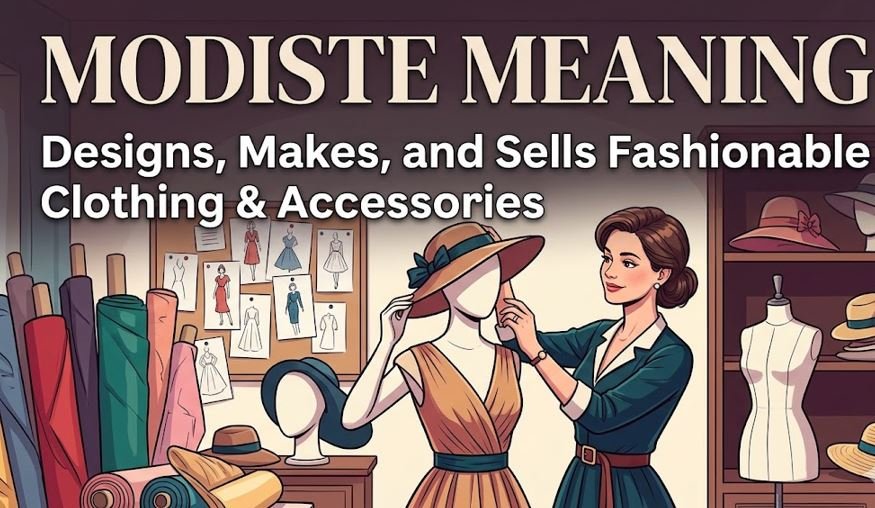
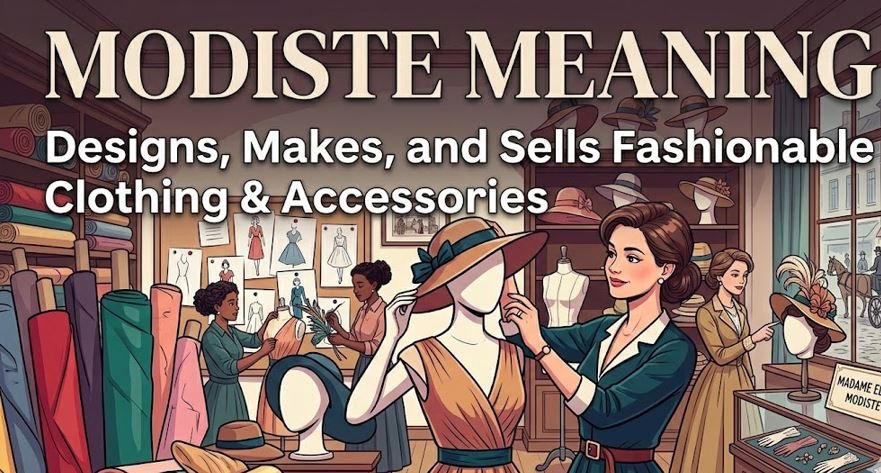
A modiste is a person who designs, makes, or sells fashionable clothing and accessories, especially women’s hats and dresses.
Traditionally, a modiste was someone deeply involved in creating stylish, custom-made garments for women. They were known for their creativity, attention to detail, and understanding of fashion trends.
In simpler terms, a modiste is like a fashion designer or dressmaker but with a more classic and elegant touch.
The Origin of the Word “Modiste”
The word “modiste” comes from the French language, where it originally referred to a maker of fashionable clothing and accessories.
It became popular in English during the 18th and 19th centuries, especially in Europe, when fashion was a major part of high society. At that time, modistes played an important role in shaping how people dressed particularly among wealthy women.
What Did a Modiste Do?
A modiste was much more than just a tailor. Their work combined art, design, and craftsmanship.
Key Responsibilities of a Modiste:
- Designing stylish clothing and accessories
- Creating custom-made dresses for clients
- Making and decorating hats (similar to milliners)
- Advising clients on fashion trends and styles
- Selecting fabrics, colors, and embellishments
They often worked closely with clients to create unique outfits for special occasions, making each piece feel personal and exclusive.
Modiste vs. Milliner vs. Dressmaker
These terms can be confusing because they are closely related. Let’s break them down:
Modiste
- Designs and creates fashionable clothing and accessories
- Focuses on overall style and trends
Milliner
- Specializes in making hats
- Focuses only on headwear
Dressmaker
- Makes clothes, usually based on patterns
- Focuses more on construction than design
So, a modiste is the most versatile of the three, combining elements of design, creativity, and craftsmanship.
Is the Term “Modiste” Still Used Today?
The word “modiste” is not very common in everyday language today, but it still appears in certain contexts.
Where You Might See It:
- Historical novels or period dramas
- Fashion history discussions
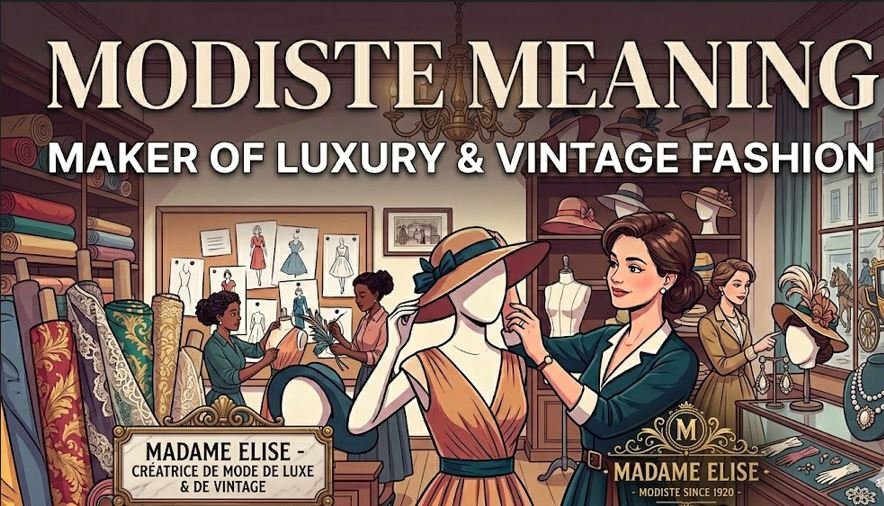
- Luxury or vintage fashion branding
- High-end boutiques that want a classic, elegant image
Modern fashion designers have largely replaced the term, but “modiste” still carries a sense of sophistication and timeless style.
Why “Modiste” Still Matters
Even though the word isn’t widely used today, the role of a modiste lives on in the fashion industry.
Modern Equivalents Include:
- Fashion designers
- Couture dressmakers
- Stylists and personal shoppers
The idea of creating personalized, stylish clothing is still highly valued especially in a world where fast fashion dominates.
In fact, many people are now returning to custom-made clothing for better fit, quality, and uniqueness. In that sense, the spirit of the modiste is making a comeback.
Fun Fact About Modistes
In history, modistes were often trendsetters. Wealthy clients relied on them to stay fashionable, and their designs could influence entire social circles.
In some cases, a famous modiste could become as well-known as modern fashion designers are today.
Conclusion
The word “modiste” may sound old-fashioned, but its meaning is timeless. It represents creativity, elegance, and the art of personalized fashion.
Whether you’re reading a historical novel or exploring fashion history, understanding this term gives you a deeper appreciation of how style has evolved over time.
So next time you hear “modiste,” you’ll know it’s not just a word it’s a symbol of fashion craftsmanship and classic beauty.
FAQs About Modiste Meaning
1. What is a modiste in simple terms?
A modiste is someone who designs and creates fashionable clothing and accessories, especially for women.
2. Is a modiste the same as a fashion designer?
They are similar, but a modiste is a more traditional term, often linked to custom-made and historical fashion.
3. What is the difference between a modiste and a milliner?
A modiste designs clothing and accessories, while a milliner specifically makes hats.
4. Is the term “modiste” still used today?
It’s rare in everyday use but still appears in fashion history and luxury branding.
5. Where does the word “modiste” come from?
It comes from French and was widely used in Europe during the 18th and 19th centuries.
Leave a Reply