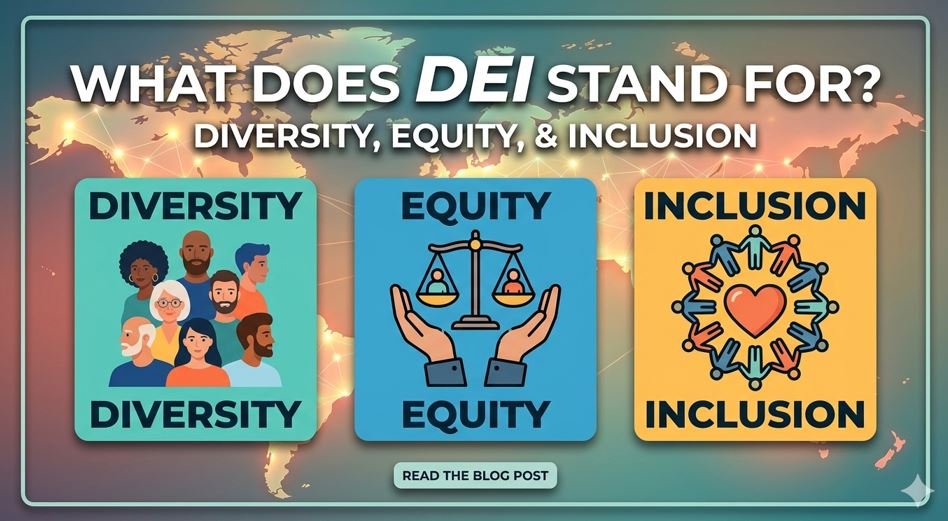
In today’s world, you’ve probably heard the term DEI being used in workplaces, schools, and even online discussions. But what does it actually mean? And why is it so important? #dei meaning
Let’s break down Diversity, Equity, and Inclusion (DEI) in a simple and friendly way so anyone can understand it.
What Does DEI Stand For?
DEI stands for:
- Diversity
- Equity
- Inclusion
These three ideas work together to create environments where everyone feels respected, valued, and supported. #dei meaning
Understanding Diversity
Diversity refers to the presence of differences within a group of people. These differences can include:
- Race and ethnicity
- Gender and gender identity
- Age
- Religion
- Disability
- Cultural background
- Education and life experiences
In simple terms, diversity means having a mix of different people.#dei meaning
Why Diversity Matters
When a group includes people from different backgrounds, it brings:
- New ideas and perspectives
- Better problem-solving
- More creativity and innovation
Diversity makes teams stronger because people think differently and contribute unique viewpoints.
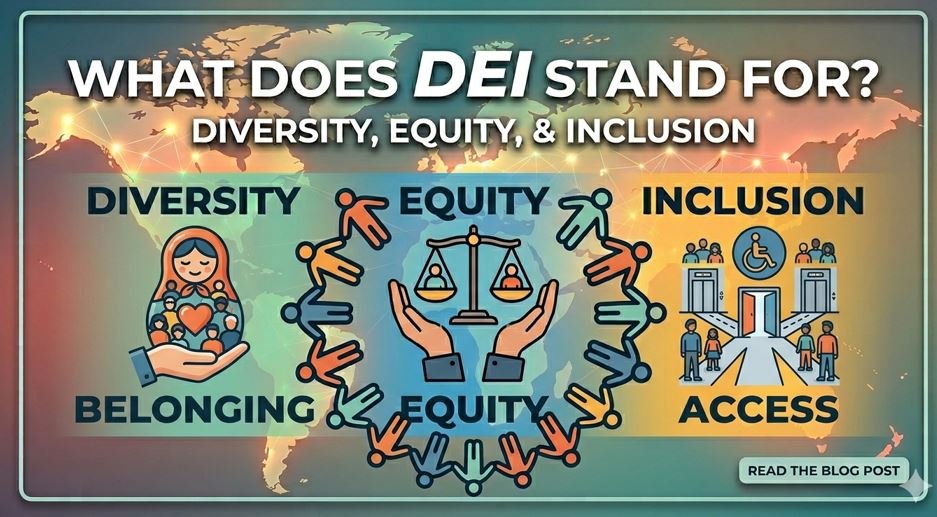
What Is Equity?
Equity is often confused with equality, but they are not the same.
- Equality means giving everyone the same resources
- Equity means giving people what they need to succeed
A Simple Example
Imagine three people trying to look over a fence:
- Equality gives each person the same box to stand on
- Equity gives shorter people more support so everyone can see
Equity focuses on fairness, not just sameness. #dei meaning
Understanding Inclusion
Inclusion means making sure everyone feels welcome and valued, regardless of their differences.
It’s not enough to just have diverse people in a group you also need to ensure they feel:
- Heard
- Respected
- Comfortable being themselves
What Inclusion Looks Like
- Encouraging everyone to share ideas
- Respecting different opinions
- Creating a safe and supportive environment
Inclusion turns diversity into something meaningful.
Why DEI Is Important
DEI is more than just a buzzword it has real impact in everyday life.
1. Better Workplaces
Companies that focus on DEI often have:
- Happier employees
- Higher productivity
- Better teamwork
When people feel included, they perform better.
2. Fair Opportunities
DEI helps ensure that people are treated fairly, especially those who may have faced disadvantages in the past. #dei meaning
3. Stronger Communities
When people respect and understand each other’s differences, it leads to:
- Less discrimination
- More empathy
- Stronger relationships
DEI in Everyday Life
DEI isn’t just for big organizations it applies to daily life too.
You can practice DEI by:
- Listening to others with an open mind
- Respecting different cultures and beliefs
- Standing up against unfair treatment
- Including others in conversations and activities
- Small actions can make a big difference. #dei meaning
Common Misunderstandings About DEI
Let’s clear up a few myths:
“DEI is only about race”
Not true. DEI includes many types of differences, including gender, age, ability, and more.
“DEI lowers standards”
No—DEI focuses on fairness and opportunity, not lowering expectations.
“DEI only benefits certain groups”
Actually, DEI creates better environments for everyone, not just specific groups. #dei meaning
Conclusion
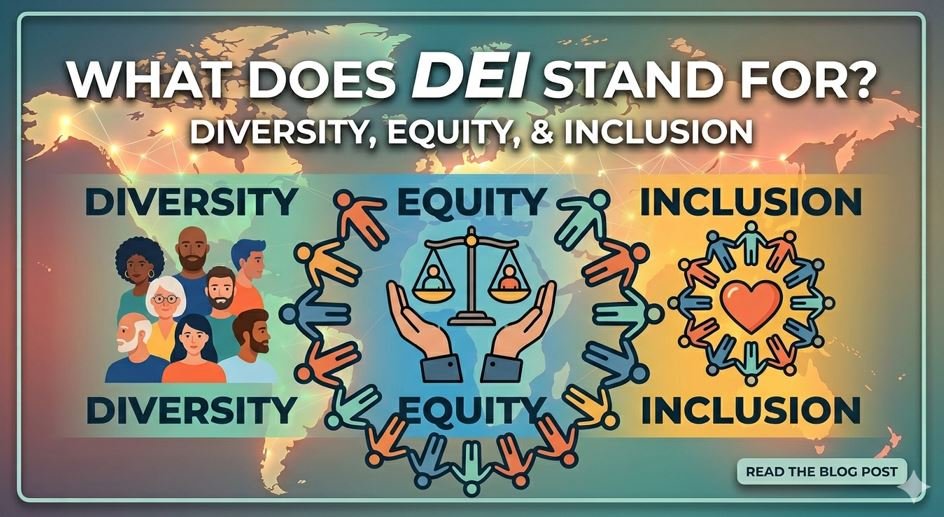
DEI “Diversity, Equity, and Inclusion” is about creating a world where everyone has a fair chance and feels valued. It’s not just a workplace trend but a mindset that can improve how we interact with others every day.
By understanding and practicing DEI, we can build more respectful, inclusive, and supportive communities.
FAQs About DEI
1. What does DEI stand for?
DEI stands for Diversity, Equity, and Inclusion.
2. What is the difference between equity and equality?
Equality gives everyone the same resources, while equity gives people what they need to succeed.
3. Why is DEI important in the workplace?
It improves teamwork, boosts employee satisfaction, and encourages innovation.
4. Can individuals practice DEI in daily life?
Yes! Simple actions like respecting others and including different perspectives can promote DEI.
5. Is DEI only relevant for large organizations?
No, DEI is important in schools, communities, and everyday interactions as well.
Leave a Reply